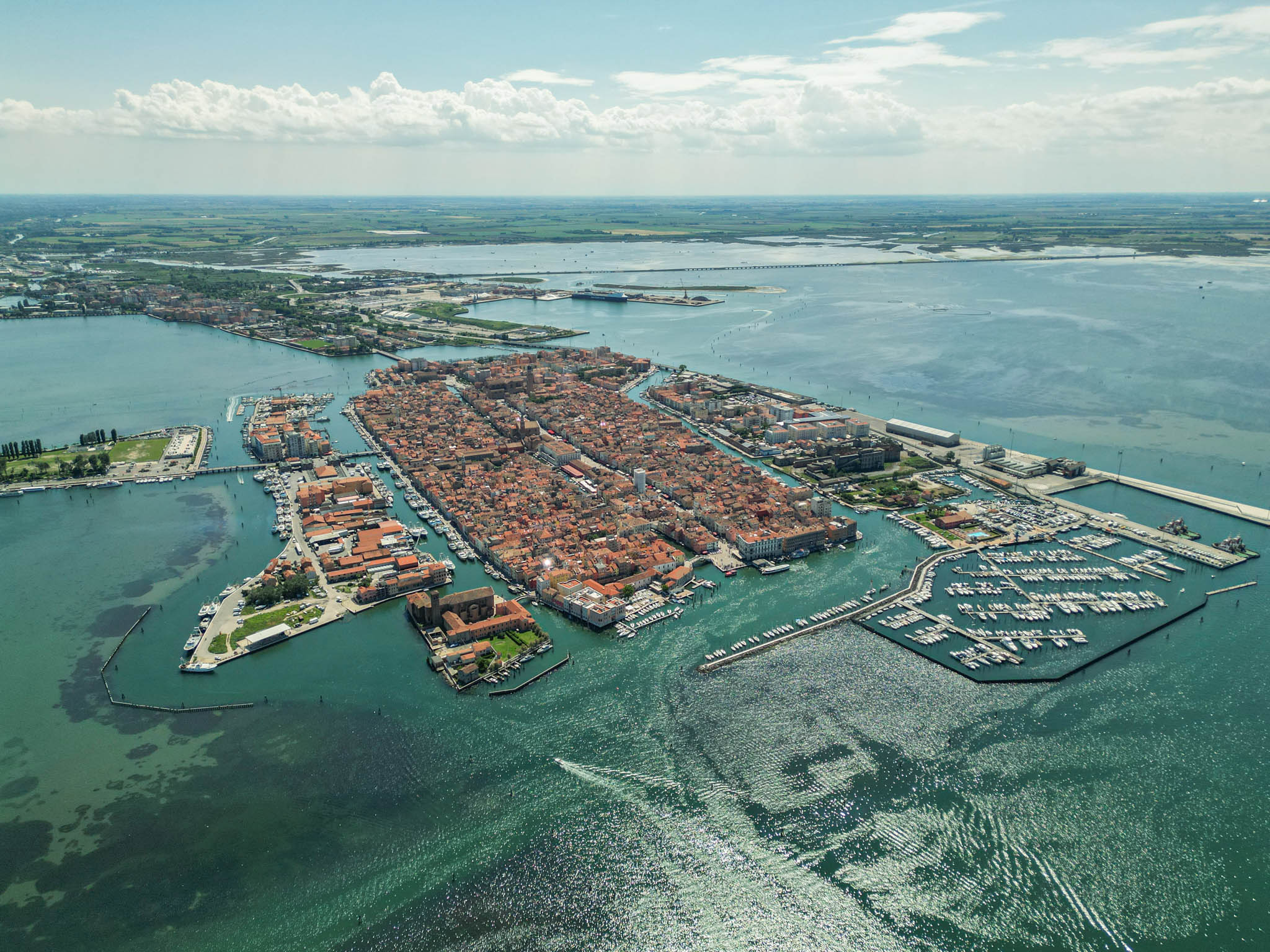
Chioggia, Little Venice : The Underrated Gem of the Venetian Lagoon
I’ve always been enchanted by the idea of discovering places that feel like hidden treasures—where time slows down and beauty sneaks up on you around every corner. That’s exactly what happened when I visited Chioggia, a charming fishing town tucked into the southern end of the Venetian Lagoon. If Venice is the queen of the lagoon, Chioggia is her laid-back, soulful sister—and I’m here to tell you she deserves your attention.
About Chioggia – Venice’s Little Sister
Chioggia’s story stretches back more than a thousand years, its roots firmly anchored in the sands and waters of the Venetian Lagoon. Archaeological evidence suggests human activity here since Roman times, when it was known as Clodia. Its strategic location at the southern entrance to the lagoon made it both a natural harbor and a gateway between the Adriatic Sea and inland trade routes. By the Middle Ages, Chioggia had grown into an important fishing and salt-producing center, tightly linked to the rise of the Venetian Republic.

Chioggia’s fortunes were not without turbulence. It played a pivotal role in the War of Chioggia (1378–1381) between Venice and Genoa, a bitter maritime conflict that ultimately solidified Venice’s dominance in the region. Despite wars, fires, and shifting political tides, Chioggia endured—its resilience rooted in its people’s bond with the sea. Fishing has remained the town’s lifeblood for centuries, with the port ranking among the most important in Italy even today.
What to See and Do in Chioggia
Chioggia is often nicknamed “Little Venice” for its canals, stone bridges, and narrow streets—but unlike Venice, here you’ll find peace, authenticity, and plenty of elbow room.
Corso del Popolo
Corso del Popolo is Chioggia’s main thoroughfare, a long, elegant street that slices right through the historic center. Lined on both sides with pastel-painted palazzi, arcaded walkways, and lively cafes, it feels like a living stage where daily life unfolds in slow motion. In the mornings, the air is scented with espresso as locals gather for their first coffee of the day, and shopkeepers roll open their shutters to display fresh bread, gleaming fruit, and handmade goods.

The street is also dotted with small churches and historic buildings, each one a reminder of Chioggia’s layered past. As you stroll, you might stumble upon San Giacomo Church, nestled between two shopfronts, or find yourself drawn into a bustling market where vendors call out the day’s best deals.
Chioggia Fish Market
Arrive early—before the sun fully rises—and you’ll find the place buzzing with energy. Fishing boats return to port after a night at sea, their holds brimming with the Adriatic’s bounty: glistening sardines, silver anchovies, cuttlefish with ink still fresh, plump scallops, and bright red prawns.

Vendors, many of them from families who have been in the trade for generations, arrange their catches in meticulous displays over ice. The air is salty and briny, mixed with the low hum of negotiation as chefs, restaurateurs, and locals select the best of the day’s offerings. Even if you’re not here to buy, it’s worth wandering through simply to watch the spectacle—hands darting to weigh a fish, knives flashing to prepare an order, buckets of clams swirling in seawater to stay fresh.
What’s remarkable is how deeply the market is woven into Chioggia’s identity. Fishing here isn’t just an industry—it’s a way of life.
Chioggia Cathedral (Cattedrale di Santa Maria Assunta)
The original church on this site dates back to the 11th century, but much of it was tragically lost in a devastating fire in 1623. The current cathedral rose from those ashes, designed by the Venetian architect Baldassare Longhena—the same mastermind behind Venice’s Santa Maria della Salute.

The exterior is elegant yet restrained, with a pale stone façade that catches the afternoon light, its clean lines hinting at the grandeur inside. Stepping through the doors, the air cools, and the rich scent of wood and incense greets you. The vast nave draws your eyes forward to the high altar, adorned with white and colored marble, intricate carvings, and a luminous altarpiece depicting the Assumption of the Virgin.
Side chapels reveal works by Venetian masters, each a quiet space for contemplation. The ornate pulpit, the delicately painted ceilings, and the soft glow from tall arched windows all work together to create a sense of serenity. You can almost feel the centuries of weddings, baptisms, and prayers that have unfolded here, connecting the town’s daily life to its deep religious roots.
Torre dell’Orologio (Clock Tower)
Rising above the rooftops at the southern end of Corso del Popolo, the Torre dell’Orologio is more than just a landmark—it’s a direct link to Chioggia’s medieval past. Built around the 11th or 12th century, this sturdy brick tower once served as part of the town’s defensive walls, keeping watch over the southern approach to the city.

But what makes it truly special is its clock. Dating back to the 14th century, it’s considered one of the oldest functioning tower clocks in the world. The mechanism has been carefully preserved and restored over the centuries, and the clock face—decorated with Roman numerals and a single ornate hand—still keeps time for the town today.
Inside, a small museum guides visitors through the tower’s history, from its military origins to the intricate craftsmanship behind its timekeeping. Narrow stone steps spiral upwards, leading to viewing points where you can glimpse the terracotta rooftops of Chioggia, the shimmer of the lagoon, and the long ribbon of Sottomarina Beach in the distance.
Museo Civico della Laguna Sud
Tucked inside a former convent near the lagoon, the Museo Civico della Laguna Sud offers one of the most comprehensive windows into Chioggia’s history, culture, and enduring relationship with the sea. This museum is far from a dusty collection of artifacts—it feels alive with the stories of fishermen, sailors, and artisans who shaped the town over the centuries.

The exhibits span from prehistoric finds and Roman-era relics to medieval maritime tools, but the real stars are the displays dedicated to Chioggia’s fishing heritage. Weathered nets, intricate knotwork, and antique boat models show the skill and ingenuity needed to survive—and thrive—on the Adriatic. There’s also a fascinating section on traditional lagoon boats, including the colorful bragozzi that once sailed these waters in great numbers.
Beaches Nearby: Sun, Sand & Relaxation
One of the best surprises was how easily I could go from wandering the canals to lying on a beach. Sottomarina, Chioggia’s seaside district, is just across the bridge and offers kilometers of sandy beaches along the Adriatic. It’s a favorite summer destination for locals—less flashy than Lido di Venezia, but charming and very family-friendly.

There, I enjoyed a slow afternoon with a good book under a rented umbrella, with warm sea breezes and the sound of kids playing in the surf. There are plenty of beach clubs, gelato stands, and seafood restaurants too—plus a long promenade perfect for evening strolls.
Nearby Destinations to Explore
Chioggia’s location makes it a great base for exploring:
- Venice – An hour away, but worlds apart in terms of pace.
- Padua – With its university history and Giotto’s frescoes.
- Rovigo – Quieter and full of elegant palazzi.
- Po Delta Nature Park – A paradise for nature lovers, birdwatchers, and cyclists.
Why Chioggia?


What made Chioggia unforgettable for me wasn’t just the sights—it was the feeling. It’s the fisherman humming while mending his nets, the way locals greet each other by name, and the smell of the sea in the air. It’s a town that lives and breathes its history, unpolished and proud. Here, I wasn’t a tourist—I was a traveler passing through a living, working seaside town.
Getting There
Getting to Chioggia is surprisingly easy. From Venice, you can take a seasonal vaporetto (waterbus), or a train to Rovigo or Padua, then hop on a connecting bus. If you’re driving, the trip takes just over an hour. I came from Venice, and the journey itself hinted at the slower rhythm of life that awaited me. For those staying in Padua, Rovigo, or even Bologna, Chioggia makes for an excellent day trip—or a relaxing weekend escape.
In the End…

If you’re craving authenticity, if you want to escape the crowds without missing out on beauty, food, and atmosphere, Chioggia is waiting for you. It’s not polished for tourists—but that’s exactly why it shines. Come for the canals, the seafood, the beaches… stay for the peace, the people, and the way this little town quietly captures your heart.
Go ahead—book that train, pack your sunscreen, and let Chioggia surprise you.
If you have any questions or comments about this post. Feel free to comment below.